
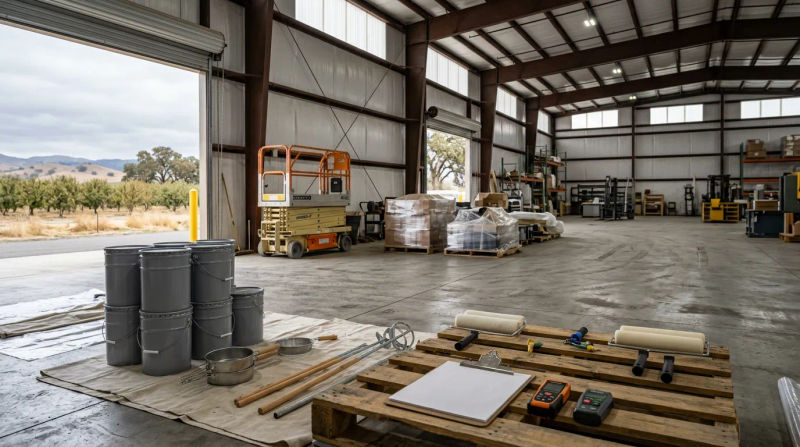
As a coatings specialist with over a decade of experience in the Sacramento region, I know that for facility and operations managers, cost is a primary driver in any maintenance decision. When planning a large-scale project like painting a warehouse or industrial facility, creating a realistic budget is the first and most critical step. The goal of this guide is to provide a transparent look at what a Durham industrial painting estimate truly involves, helping you understand the numbers behind the quote.
We believe in empowering our clients with information. An informed customer can better distinguish between a low-cost bid that cuts corners and a value-oriented proposal designed for long-term performance. Let’s break down the costs so you can plan your next project with confidence.
Average Costs in Durham
For large commercial spaces, pricing is almost always calculated on a per-square-foot basis. This provides a scalable and transparent way to budget. While every project is unique, we can establish some general price ranges for the Durham area. These figures typically cover the cost of labor, materials, and basic equipment.
- Basic Repaint (Walls Only): $0.75 - $1.50 per square foot. This range applies to facilities in good condition requiring minimal surface preparation, a standard coat of quality latex paint, and straightforward access. It's ideal for a cosmetic refresh where the underlying surfaces are sound.
- Standard Industrial Project (Walls & Ceilings): $1.50 - $3.00 per square foot. This is a common range for many of the ag-related buildings and shops in our area. It accounts for more extensive cleaning, minor surface repairs, painting structural steel ceilings (decking and joists), and the use of more durable industrial coatings.
- Complex or High-Performance Project: $3.00 - $6.00+ per square foot. This warehouse wall painting price per sq ft reflects projects with significant challenges. This includes facilities requiring extensive surface restoration, specialized coatings like epoxies or urethanes, detailed containment to protect sensitive equipment, and work in a high-bay facility painting budget that demands specialized lifts and safety protocols.
These are baseline estimates. A detailed, on-site evaluation is the only way to determine a precise and reliable quote.
Factors That Affect Price
The final warehouse painting cost is influenced by much more than just the size of your building. Our technicians are trained to assess several key variables during an estimate, as each one impacts labor, materials, and project timelines.
1. Surface Condition and Preparation This is the single most significant cost driver. Proper surface preparation accounts for 60-80% of the labor on a professional paint job. A low bid often signals that this critical step will be rushed or skipped. Factors that increase prep time include:
- Peeling or Failing Paint: Requires scraping, sanding, and priming to create a stable surface for the new coating.
- Contaminants: Grease, oil, dirt, and efflorescence on concrete must be thoroughly cleaned and degreased for proper adhesion.
- Rust and Corrosion: Steel surfaces must be mechanically or chemically treated to remove rust before a direct-to-metal (DTM) coating can be applied.
- Structural Age: Just as older homes from the 1960s often require more prep work due to decades of wear, industrial buildings of a similar era can have hidden issues like extensive cracking or previously used incompatible coatings that must be addressed.
2. Height and Accessibility Many Durham-area facilities are high-bay shops or have tall metal-sided walls. Safely accessing these areas is a major logistical and cost factor.
- Ceiling Height: Ceilings over 15 feet require scissor lifts, and those over 30-40 feet may necessitate articulated boom lifts. The rental, delivery, and operation of this equipment are significant costs.
- Obstructions: Working around permanent racking, machinery, and complex conduit runs requires more time and precision from our crews, increasing labor hours.
3. Scope of Work and Surfaces What exactly is being painted? A detailed scope prevents surprises.
- Ceilings: Painting an industrial ceiling (the deck and bar joists) is far more complex than painting walls. It requires extensive masking and protection of everything below and often involves a technique called dryfall painting, where overspray dries to a dust before hitting the floor.
- Additional Elements: The quote will change if it includes structural steel columns, roll-up doors, bollards, exterior metal siding, or floor coatings.
4. Type of Coatings While it might be tempting to use a standard commercial paint, an industrial environment demands higher-performance products.
- Standard Acrylics: Good for general office areas or light-use walls.
- Industrial Enamels & DTMs: Offer better durability and corrosion resistance for metal surfaces.
- Epoxies and Urethanes: Provide maximum chemical and abrasion resistance, ideal for floors, high-traffic walls, or areas subject to harsh conditions. These materials cost more upfront but deliver a much longer service life.
5. Operational Constraints We understand that you can't shut down your business for a paint job. As October approaches and facilities plan around harvest operations or prepare for the first winter rains, scheduling becomes paramount. Working around your schedule impacts cost.
- After-Hours Work: Painting on nights or weekends to avoid disrupting your operations typically involves a labor premium.
- Containment: If we are painting in one section while another remains active, we must build extensive plastic containment walls to control dust and overspray, which adds to the setup and breakdown time.
How to Get the Best Value
Getting the best value doesn’t mean finding the cheapest price. It means investing in a paint job that will last, look professional, and protect your facility for years to come.
- Plan Ahead: Don't wait for the busy season. Budgeting for your project early, especially in the fall, makes it easier to schedule crews and equipment without rush fees. This is particularly important for Durham’s agricultural sector, where scheduling around the harvest is key.
- Prioritize Surface Preparation: Insist on a thorough prep process. A paint job is only as good as the surface beneath it. Paying for proper cleaning, scraping, and priming is an investment in durability.
- Choose the Right Coating, Not the Cheapest: As a coatings specialist, I always advise clients to consider the lifecycle cost. A more durable epoxy might cost 50% more upfront but last three times as long as a basic enamel, saving you significant money over time.
- Bundle Services: If you plan on painting your walls this year and your ceilings next year, consider doing both at once. The mobilization and equipment rental costs are often similar, so bundling the work can create significant savings.
Questions to Ask Your Contractor
To properly vet a contractor and compare bids, you need to ask the right questions. This helps you understand exactly what you're paying for.
- How will you prepare the surfaces before painting? Ask for a step-by-step description.
- What specific products do you plan to use, and why are they right for my facility?
- What is your plan for protecting my inventory, equipment, and floors?
- How do you manage safety and training for high-access work?
- How will you contain dust and overspray to prevent contamination?
- Can you provide an itemized quote that breaks down costs for different areas (e.g., walls, ceiling, doors)?
- How will you accommodate our operational schedule?
An experienced contractor will have clear, confident answers to these questions.
Ultimately, a well-executed industrial painting project is an investment in your property’s safety, value, and professional image. By understanding the factors that shape a Durham industrial painting estimate, you can create an accurate budget and partner with a contractor who will deliver lasting results. Our crews at Pacific District Painting are trained to handle the complexities of industrial environments, from meticulous preparation to organized workflows that minimize disruption.
For a detailed and personalized estimate for your Durham facility, contact Pacific District Painting for a free consultation.